


Ghana’s merchandise trade has expanded nearly ninefold over the past two decades, climbing from $6bn in 2004 to $52.5bn in 2025, according to new data from the Ghana Statistical Service.
The country also posted a record trade surplus of GH¢148.3bn ($11.5bn) last year, more than three times the GH¢44.7bn surplus recorded in 2024, underscoring a sharp shift in the structure of its external accounts.
Presenting the report “Ghana’s Merchandise Trade Statistics, 2004-2025: Two Decades in Review”, Government Statistician Dr Alhassan Iddrisu said the numbers reflected “a significant transformation” in how Africa’s second-largest gold producer engages with the world.
From importer to exporter
The composition of trade has flipped. In 2004, exports made up 32.1 per cent of total trade and imports 67.9 per cent. By 2025, exports accounted for 61.3 per cent and imports 38.7 per cent.
Total trade in cedi terms rose from GH¢5.4bn in 2004 to GH¢654.7bn in 2025. Ghana exported to 163 countries and imported from 216 last year. Trade within Africa also strengthened, with Accra recording a GH¢34.7bn surplus with African nations.
Gold dominates, cocoa fades
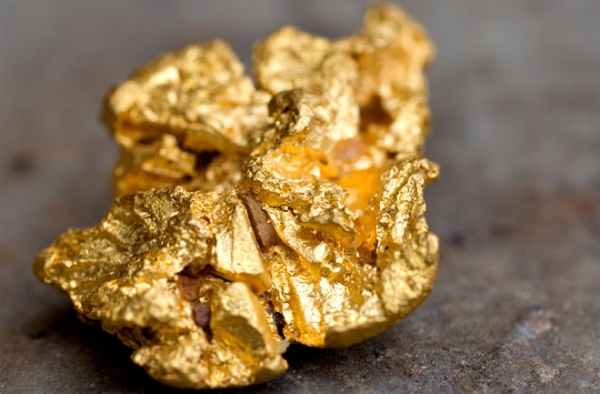
Gold has become the dominant export. Its share of total exports rose from 38.5 per cent in 2004 to 63.1 per cent in 2025. Gold export earnings alone reached $20.2bn in 2025, more than cocoa and oil combined.
Cocoa beans and cocoa products, long the backbone of Ghana’s export economy, fell from 29.3 per cent of exports in 2004 to 14 per cent in 2025. Mineral fuels and oils accounted for 8.8 per cent.
There were brighter spots in non-traditional exports. Processed cocoa products increased their share from 9.8 per cent to 27 per cent, while edible fruits and nuts rose from 6.1 per cent to 12.1 per cent.
Asia replaces Europe
Ghana’s trading map has also been redrawn. Asia replaced Europe as the country’s largest trading partner. Asia’s share of exports jumped from 7.9 per cent in 2004 to 50.1 per cent in 2025, while Europe’s fell from 51.2 per cent to 26.8 per cent.
On the import side, Asia’s share rose from 26.9 per cent to 48.4 per cent, with China remaining Ghana’s single largest source of imports.
Warning on concentration risk
The report cautioned that the growing dependence on gold leaves the economy vulnerable to price swings. “Leaning heavily on a few raw commodities leaves us exposed when global prices swing,” Dr Iddrisu said. “Good data tells us where we stand and where we must go.”
Other structural challenges persist. Fuel purchases made up 26 per cent of total imports, highlighting what the report called the paradox of exporting crude oil while importing refined products.
To build resilience, the Statistical Service recommended greater value addition in gold and cocoa processing, expanding non-traditional exports, and supporting small and medium enterprises to access international markets.
“The lesson is clear: we must add value at home, widen our export base, and produce more of what we currently import,” Dr Iddrisu said.


[…] for perishable goods, implementing recommendations from the Time Release Study, and advancing the Trade Information […]