


For many small and medium-sized enterprises (SMEs) across Ghana, managing logistics and order fulfilment remains a major challenge to business growth.
Unpredictable delivery costs, shipment delays and the time required to coordinate dispatch services can take business owners away from their core operations and affect customer satisfaction.
However, technology-driven logistics services such as Yango Delivery and Cargo are changing how some local businesses manage deliveries, helping them streamline operations and serve customers more efficiently.
Digital Logistics for Growing Businesses
Before adopting digital logistics platforms, many small businesses relied on traditional delivery arrangements that could be costly, time-consuming and difficult to predict.
Priscilla, Manager at Dan K Trade and Logistics, said the company previously struggled with delays and unpredictable delivery costs.
“Before we started using Yango Cargo delivery, orders were delayed, costs were unpredictable for our clients, and we spent too much time coordinating deliveries,” she said.Bridget Amankwa, Marketer at Arora Supplies, also described delivery as a major challenge for the business before it adopted Yango Cargo.
“Before Yango Cargo, deliveries were one of our major challenges. We experienced delayed deliveries, our customers were not satisfied, and the costs were unpredictable. We spent so much time coordinating deliveries rather than growing the business,” she said.For SMEs, such challenges can affect customer confidence, repeat business and profitability, particularly when businesses are unable to provide reliable delivery timelines and predictable costs.
Faster and More Predictable Deliveries
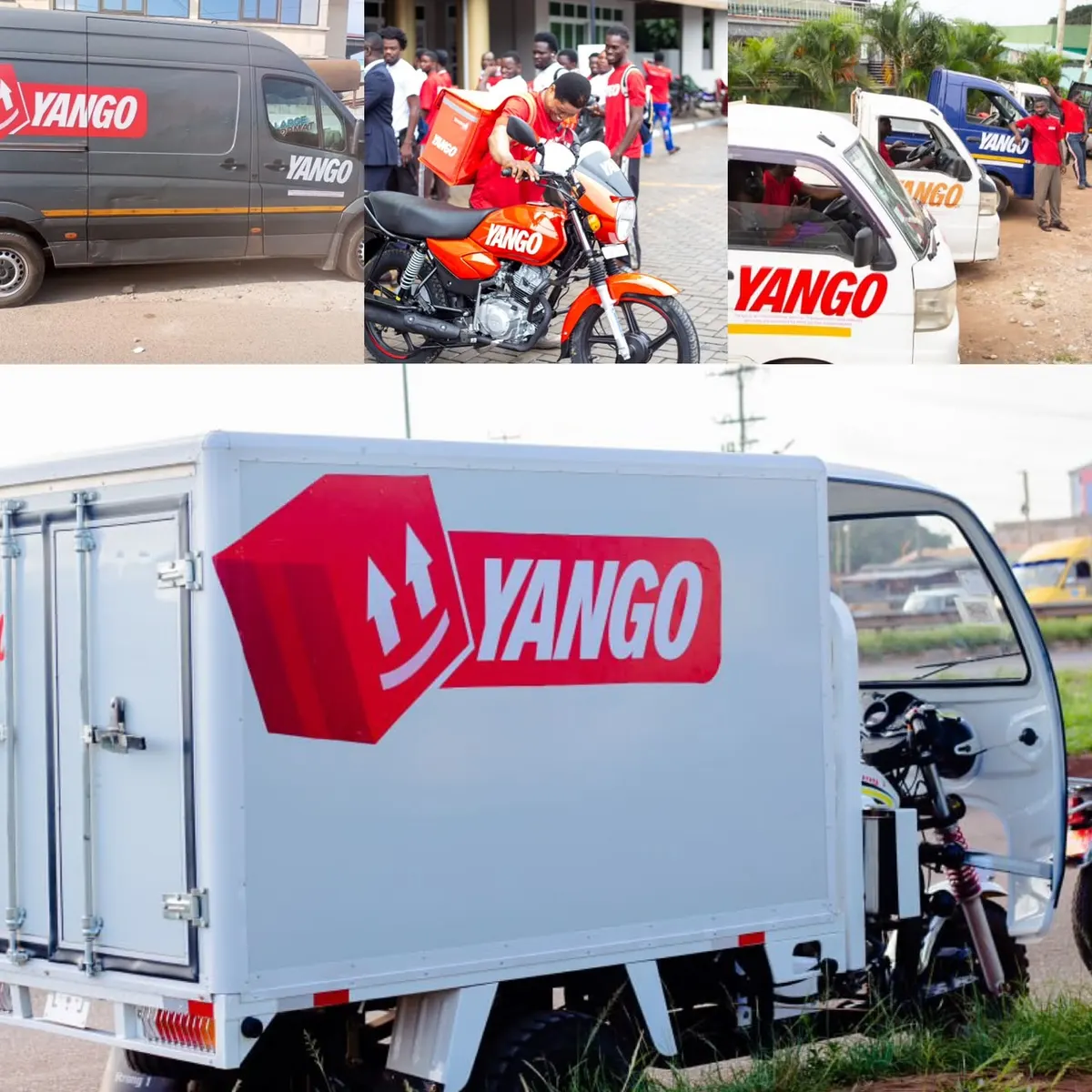
Yango Cargo provides businesses with a digital platform through which they can request deliveries and select vehicle types based on the size of their loads.
Available options range from local tricycles, commonly known as Aboboyaa, to small and medium-sized trucks, including Abossey Okai Macho vehicles.
Some of the features highlighted by users include:
• Quick order requests and dispatch: Businesses can arrange cargo pickups and deliveries through the mobile application.
• Real-time tracking: Shippers and customers can monitor deliveries while they are in transit.
• Predictable pricing: Businesses can plan delivery expenses and provide customers with clearer quotations.
• Professional drivers: Reliable transportation can help businesses improve delivery times and customer confidence.
Priscilla said the service had simplified the company’s delivery operations.
“Since partnering with Yango Cargo, the process has become simple and smooth. We can request deliveries quickly, track orders in real time, low prices are guaranteed, and we can rely on professional drivers to deliver safely and on time,” she said.Bridget added that the affordability of the service had made a significant difference to her business.
Supporting Businesses During Disruptions
Beyond routine deliveries, on-demand logistics can also help businesses maintain operations during unexpected disruptions.
Nervana, CEO of Nervana Lounge (Didi Dade Nseimu), said Yango Delivery helped her business continue serving customers during recent flooding that affected operations.
“With the recent flooding, my business was greatly affected. We had to find ways to keep our customers satisfied by offering only deliveries and pickups,” she said.According to her, the service allowed the business to continue delivering food to customers when people could not visit the premises.
“Yango Delivery did everything for us. Today, all our customers are able to get their food safely, quickly, and conveniently at a much lower cost,” she added.Technology Reshaping SME Logistics
By outsourcing delivery and logistics coordination, SMEs can reduce the administrative burden associated with managing dispatch operations and devote more time to areas such as business development and customer service.
As digital infrastructure and technology-driven services continue to expand across Ghana, logistics platforms such as Yango Delivery and Cargo are increasingly becoming part of the tools businesses can use to improve efficiency, manage costs and serve customers in a competitive marketplace.