
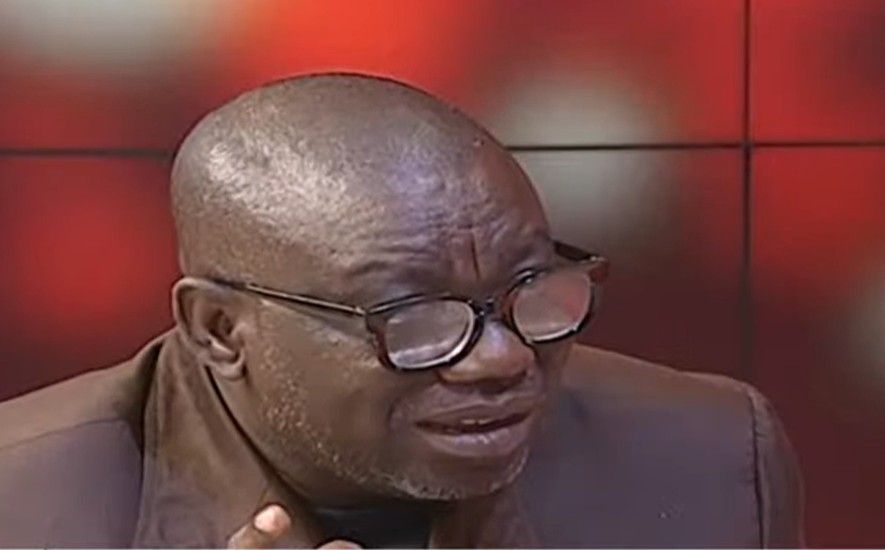

The Chairman of Parliament’s Select Committee on Finance, Isaac Adongo, has called for legal reforms to establish a sustainable funding mechanism for the Public Interest and Accountability Committee (PIAC).
Mr Adongo warned that PIAC’s financial arrangements should not depend on the discretion or goodwill of individual finance ministers, arguing that its funding should be protected by law to ensure the institution can perform its oversight responsibilities effectively.
He made the call on August 19, 2026, during an event marking PIAC’s 15th anniversary.
Call for funding to be secured by law
PIAC was established in September 2011 under Section 51 of the Petroleum Revenue Management Act, 2011 (Act 815), with a mandate to promote transparency and accountability in the management of Ghana’s petroleum revenues.
The committee was initially funded through the Annual Budget Funding Amount (ABFA). However, amendments to the Petroleum Revenue Management Act subsequently abolished the ABFA and redirected the funds to a special account for the government’s Big Push programme.
The change left PIAC without a legally guaranteed source of funding.
Mr Adongo acknowledged the current Finance Minister’s support for the committee but said the institution needed a more permanent arrangement that would survive changes in government and political office holders.
“We need to have a mechanism that puts it in law, a funding arrangement for PIAC and not dependent on a good minister who is willing to support PIAC,” he said.
He described securing the funding arrangement through legislation as the “next stage of the conversation” to guarantee PIAC’s long-term sustainability.
PIAC highlights 15 years of oversight
PIAC Chairman Richard Ellimah said the committee had spent the past 15 years strengthening public scrutiny of Ghana’s petroleum revenues through statutory reports, project inspections and engagements with citizens and communities.
He said PIAC had also organised public forums and contributed to policy discussions, helping to keep petroleum revenue management on the national agenda.
“These interventions have contributed to strengthening transparency and accountability in the management of Ghana’s petroleum revenues,” Mr Ellimah said.
He acknowledged that the committee had encountered challenges over the years but said it had adapted to changing circumstances while maintaining its statutory mandate.
Call to extend oversight to other natural resources
Meanwhile, University of Ghana economist Professor Peter Quartey called for PIAC’s transparency and accountability model to be applied to the management of other mineral resources.
He argued that similar oversight mechanisms could improve the management of Ghana’s broader natural-resource wealth.
Prof Quartey commended PIAC for identifying concerns surrounding the use of petroleum revenues, including instances where projects reportedly existed on paper but could not be located on the ground.
He also pointed to PIAC’s ongoing monitoring of abandoned projects financed with oil revenues as an important contribution to public accountability.
According to him, PIAC’s 15-year record demonstrates the importance of independent monitoring in ensuring that revenues generated from Ghana’s natural resources are used for their intended purposes.