

Ghana Demands Structural Shift Toward Value-Added Trade With China
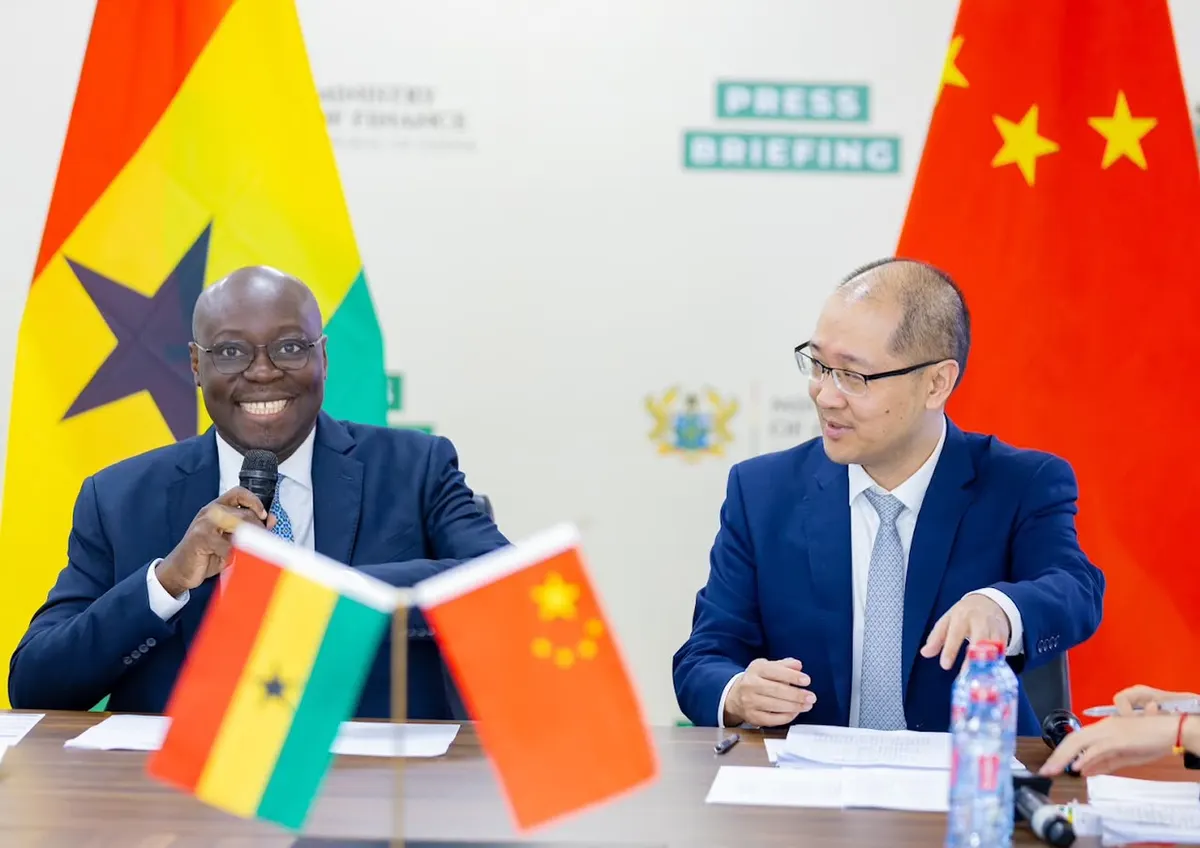
Finance Minister Dr. Cassiel Ato Forson has officially called for a strategic shift in economic relations to expand the value-added trade with China Ghana partnerships deliver. Speaking at the opening of the Fifth Session of the Ghana–China Joint Commission on Economic, Trade, and Technical Cooperation in Accra, Dr. Forson stressed that future bilateral ties must prioritize local raw material processing, expanded manufacturing capacity, and sustainable domestic job creation.
5 Pillars to Boost Value-Added Trade With China Ghana Operations
While acknowledging that China remains Ghana’s single largest trading partner, the Finance Minister emphasized that the fundamental structure of economic exchange requires urgent reform. Ghana seeks to transition away from merely exporting unprocessed raw materials toward shipping high-value finished products to international markets.
“China is now Ghana’s largest trading partner, but the structure must improve,” Dr. Forson stated. He outlined the government’s priority to process agricultural produce locally—specifically targeting a substantial increase in processed cocoa exports and light manufactured goods heading to Chinese consumer markets.
Seeking Strategic Industrial Investments over Raw Resource Exports
To achieve this structural transformation, the ministry is inviting targeted foreign direct investment designed to build production infrastructure and transfer technical expertise to local firms.
“We seek investments that build processing plants and manufacturing lines, transfer technology, procure from Ghanaian businesses, train our people, and create sustainable jobs,” Dr. Forson added. He reaffirmed that international economic agreements must yield direct, measurable benefits for local entrepreneurs, industrial workers, and national supply chains.
China Reaffirms Support for National Economic Initiatives
Responding to the call, China’s Assistant Minister of Commerce, Zhang Li—making his inaugural official visit to Ghana—commended the government’s economic stabilization efforts and policy direction. Minister Zhang reaffirmed Beijing’s commitment to expanding commercial alignment and supporting national priority projects, including the government’s Big Push Infrastructure Programme.
By driving value-added trade with China Ghana initiatives, state planners aim to leverage recent trade frameworks—including zero-tariff market access programs—to build sustainable processing capabilities, strengthen industrial output, and safeguard long-term economic resilience.
Accelerating Industrialization Under Regional Trade Frameworks
Establishing high-capacity processing factories aligns directly with Ghana’s broader goal of positioning itself as a regional manufacturing hub under the African Continental Free Trade Area (AfCFTA). Localizing the production chain enables domestic companies to retain greater economic value, lower vulnerability to external commodity price fluctuations, and increase non-traditional export revenue.
In addition, expanding technical cooperation with Chinese technology providers allows Ghanaian manufacturers to adopt modern machinery, improve quality assurance standards, and comply with strict international phytosanitary requirements. Sector leaders believe that integrating advanced processing technologies will boost productivity across major agricultural sectors, ensuring that Ghana’s rich natural resources contribute directly to long-term industrial growth.
Strengthening Technology Transfer and Local Supply Chains
Beyond factory development, the Ministry of Finance is prioritizing human capital development through joint technical training initiatives. Ensuring local workers receive specialized instruction in factory operations, machinery maintenance, and industrial management guarantees that newly established processing plants operate efficiently.
As bilateral talks progress, government officials remain optimistic that transforming raw material exports into finished commercial products will rebalance trade deficits, stabilize foreign exchange reserves, and accelerate sustainable national development.
Ministry Portal: Read further official statements directly on the Ministry of Finance Ghana official portal.
Bilateral Trade Framework: Learn more about broader trade initiatives via the Ministry of Commerce of China.


[…] Strengthening Global Investor Confidence Under the GIPA Act […]
[…] Finance Minister Dr. Cassiel Ato Forson has initiated high-level sectoral consultations with key ministries to transition the government’s proposed New Economy agenda from policy objectives into an actionable, multi-billion-dollar investment program. […]
[…] For Ghana and other African countries, therefore, the meeting should not be viewed simply as another UAE domestic policy announcement. It should be understood as a potential template for a new generation of UAE-Africa cooperation based on technology transfer, skills development, digital transformation, investment and climate resilience. […]