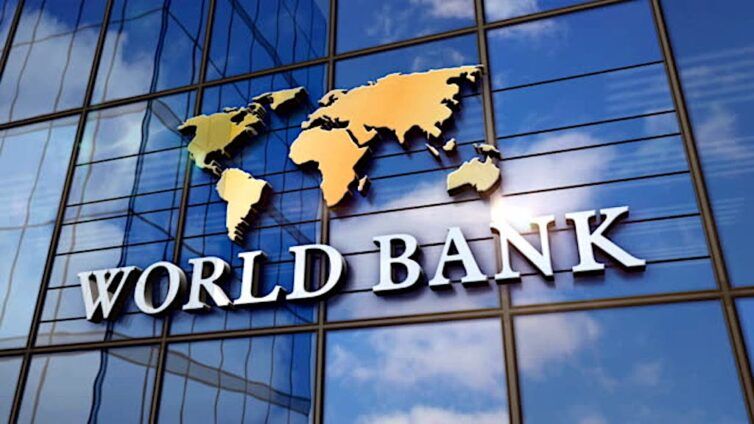

The World Bank has warned that despite recent gains, risks to Ghana’s macroeconomic stability remain tilted to the downside. Highlighting these findings in its 10th Ghana Economic Update, titled “Reset for Growth: Sustaining Macroeconomic Recovery and Unlocking Transport for Transformation,” the Bank emphasized that external volatility and domestic structural vulnerabilities threaten fiscal sustainability.
Key External and Domestic Risks
- External Pressures: Gold price volatility, geoeconomic fragmentation, and ongoing conflict in the Middle East elevate energy, food, and agricultural input costs. These factors weigh heavily on growth potential, erode fiscal revenue, and intensify exchange rate depreciation and inflation.
- Domestic Policy Slippages: Policy lapses in the energy and cocoa sectors, combined with fiscal burdens from temporary relief measures (such as fuel price interventions), risk undermining recent macroeconomic progress and debt sustainability.
- Debt Servicing Vulnerabilities: Escalating debt service obligations coming due in 2027–2028 create rollover risks due to high reliance on short-term domestic financing. However, the reopening of the domestic bond market in April 2026 is projected to ease liquidity pressures via longer-maturity instruments.
Core Policy Recommendations
- Revenue-Led Fiscal Consolidation: Broaden the tax base, improve compliance, and modernize tax administration. The World Bank noted that recent primary balance surpluses were driven primarily by spending cuts rather than sustainable revenue growth.
- Safeguarding Expenditure Quality: Prioritize high-return public investment, infrastructure maintenance, and social protection transfers. Repeated capital budget compression risks damaging medium-term economic resilience.
- Fiscal Risk Architecture: Implement systematic disclosures for contingent liabilities, incorporate risk scenarios directly into national budget planning, and strengthen governance oversight for State-Owned Enterprises (SOEs).