
Ghana is intensifying efforts to attract new capital into its upstream petroleum industry as the government seeks to revive exploration, unlock untapped resources and extract greater economic value from the country’s oil and gas assets.
Energy and Green Transition Minister, Dr John Abdulai Jinapor, says renewed interest from international investors signals growing confidence in Ghana’s petroleum prospects, and that the government intends to build on the momentum.
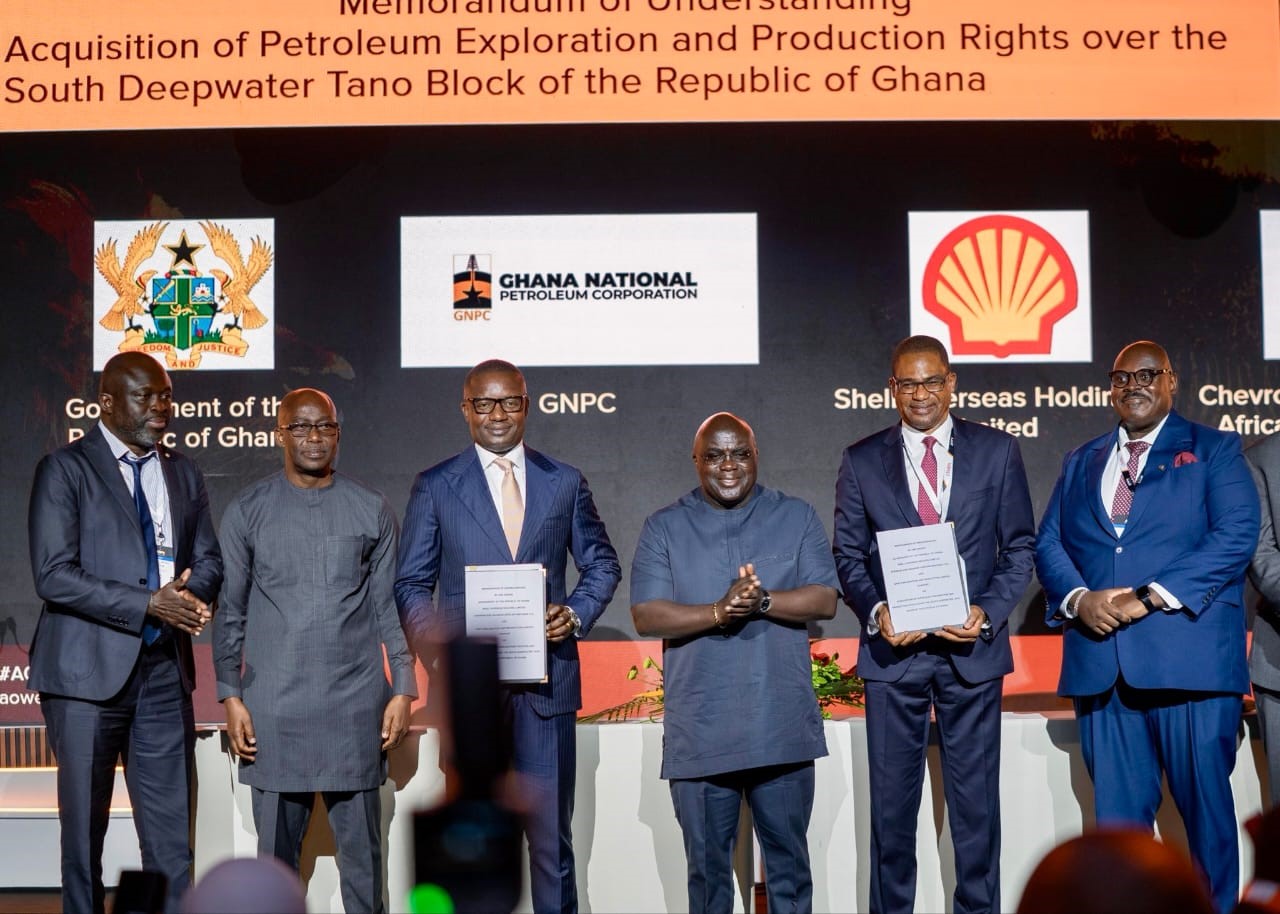
Speaking at Ghana Day at Africa Oil Week 2026, Dr Jinapor cited a recent agreement involving the government, Shell Overseas Holding Limited, Chevron Sub-Saharan African Ventures Ltd. and GNPC Exploration and Production Limited as an important indication of investor confidence in the sector.
The Memorandum of Understanding covers the acquisition of petroleum exploration and production rights over the South Deepwater Tano Cape Three Points Block, an area government sees as offering further potential for upstream activity.
For Dr Jinapor, the agreement illustrates how closer collaboration between government, international oil companies and the Ghana National Petroleum Corporation can help open up new investment opportunities and inject fresh momentum into the sector.
He said the government intends to pursue more partnerships of this nature as it works to revitalise upstream activity and position petroleum as a stronger contributor to economic growth, energy security and employment.
“Ghana is open for investment, we are improving the environment for investors, and we are ready to work with partners who share our vision of creating lasting value,” Dr Jinapor said.
A push to revive the upstream sector
The renewed drive for upstream investment comes as Ghana seeks to maximise returns from its petroleum resources while attracting the capital, technology and expertise needed to explore new prospects and develop existing assets.
The South Deepwater Tano Cape Three Points agreement is consequently being viewed by government as more than a standalone commercial transaction. It forms part of a broader effort to restore investor confidence, deepen international participation and create the conditions for renewed exploration and production.
For Ghana, the challenge will be to convert that renewed interest into sustained investment, increased production and wider economic benefits—including jobs, local participation and stronger energy security.


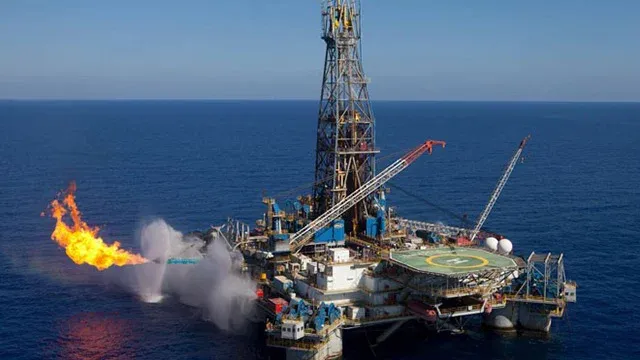
[…] The Minister for Energy and Green Transition of the Republic of Ghana, John Jinapor, signed the MoUs on behalf of the Government of Ghana, witnessed by executives from GNPC. […]